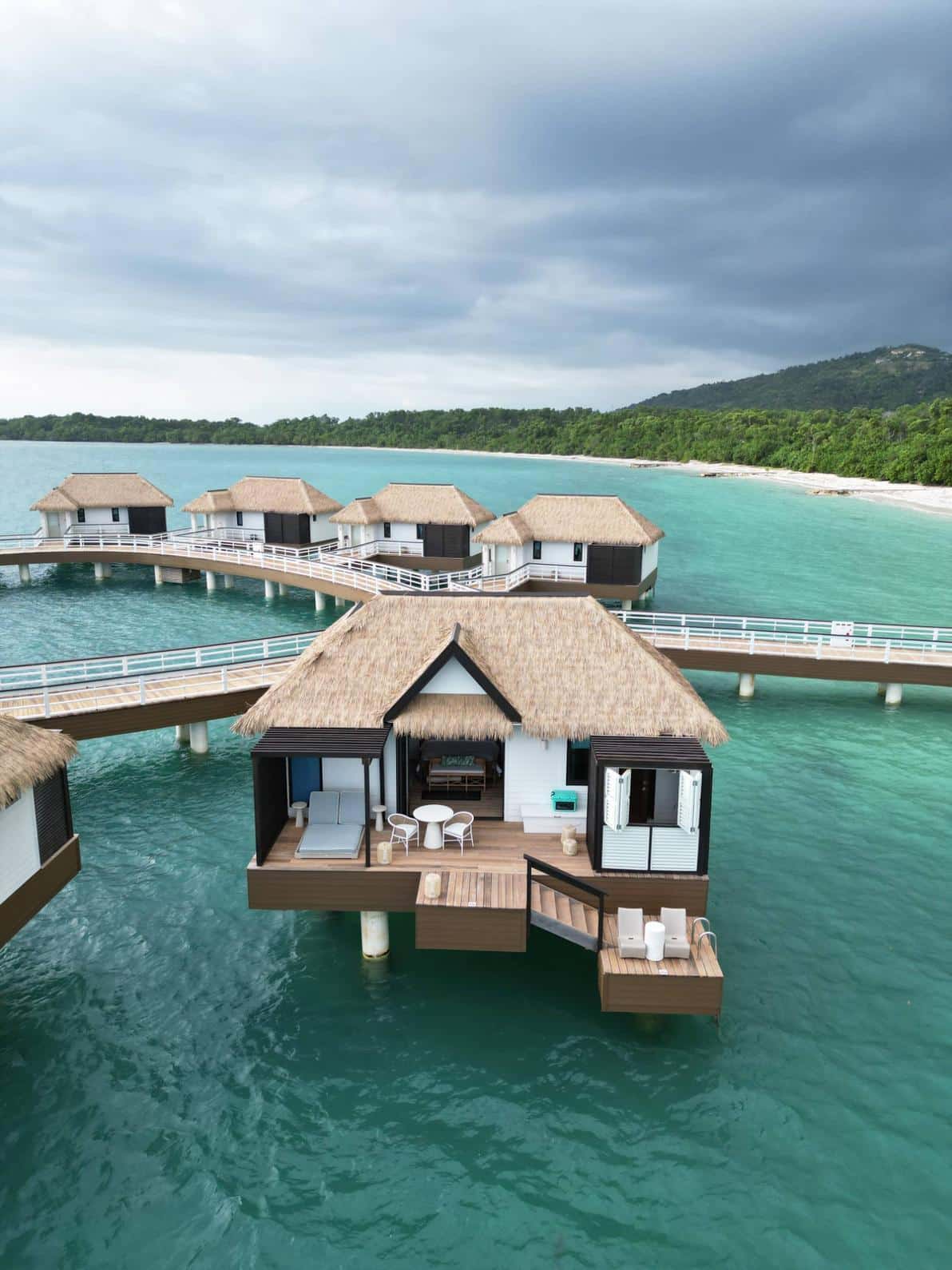
Best Sandals Resorts Ranked for Scuba, Snorkeling, and Water Sports
Picking a Sandals for the beach is easy. Picking one for serious time on and under the water takes more thought. Each island has its own rhythm, and each resort sits on a stretch of coastline with strengths and limits. If your perfect day involves two morning tanks, a turtle-filled snorkel in the afternoon, and a sunset sail before dinner, the details matter.
I have logged tanks with Sandals boats in Jamaica, St. Lucia, Antigua, Barbados, Grenada, and Curaçao, and bounced in enough Hobie Cats and ski boats to learn where the wind funnels and where the water lies flat. What follows is a practical, experience-backed take on how the Sandals portfolio stacks up for divers, snorkelers, and anyone who likes their vacation with a wake.
Sandals includes diving for certified guests, with typical schedules of two-tank mornings and a possible one-tank afternoon when conditions and staffing allow. Equipment is included, PADI courses cost extra, and night dives vary by resort and can book up quickly. Snorkel trips are included at most locations, though the quality of off-beach snorkeling swings a lot based on local reefs and protection from swell. Motorized water sports such as waterskiing and wakeboarding run only at select bays with the right depth and shelter, while sailing, windsurfing, paddleboards, and kayaks appear widely.
The quick take
If you only want the headline, here are the best Sandals resorts ranked for combined scuba quality, snorkeling access, and breadth of included water sports. I weighted healthy reefs and reliable dive ops first, then looked at ease of snorkeling and variety of surface sports.
If your shortlist needs more nuance, keep reading. The trade-offs underneath this ranking are where the smart decisions live.
Why Grenada sits at the top
Grenada’s underwater mix is hard to beat. The island’s Atlantic and Caribbean influences meet in a way that rewards certified divers without punishing newer ones. From Sandals Grenada on Pink Gin Beach, the dive team reaches a circuit of wrecks and reefs within a reasonable boat ride, including the photogenic Veronica L and the Molinière Underwater Sculpture Park. Visibility often runs 60 to 100 feet in the dry season, currents vary from mild to moderate, and the sponge growth glows in afternoon light. I have had hawksbill turtles swim through a school of creole wrasse there with the kind of unbothered grace that makes you forget you are breathing off a regulator.
Snorkeling holds up well too, with resort boats running to the sculpture park and nearby reefs. Off-beach snorkeling can be hit or miss, since Pink Gin is a narrow pocket beach with surge on windy days. For surface sports, expect sailing, windsurfing, SUP, and kayaks. Grenada is not a waterskiing hub, and that is fine, because its draw is underwater color and structure, not glassy coves.

Two practical notes. First, sea state can shift quickly when easterly trades spike, so bring a light rain layer for boat rides. Second, Grenada’s better sites can sit 20 to 40 minutes out. If you prone to motion sickness, take your remedy before breakfast, not as the boat unties from the dock.

Curaçao’s shore-diving DNA, filtered through Sandals
Curaçao has a reputation among independent divers for easy access, long ledges, and reliable conditions. Sandals Royal Curaçao taps into some of that, even if you are not renting a truck and doing the DIY circuit. The resort sits on Spanish Water near the Santa Barbara area, with dive runs to sites like Tugboat and Director’s Bay, where snorkelers can enjoy the same shallow structure that divers do deeper along the drop. On calm mornings the water lays out like smoky glass, and the island’s leeward curve keeps the swell down most of the year.
The diving suits a range of experience. Newer divers can spend entire dives between 30 and 50 feet on gentle slope reef, while veterans can ride a bit of current along the outer edge, keeping an eye out for tarpon and the occasional eagle ray. Visibility rides between 50 and 100 feet. Macro hunters get their fill with neck crabs, flamingo tongues, and decorator shrimp. The Sandals dive operation here is newer than Jamaica and St. Lucia, but the staff I met ran tight briefings and stuck to safe, unhurried profiles.
Snorkeling is a genuine strength. Even without dramatic drop-offs right off the beach, the nearby sites deliver shallow corals and schooling fish close enough that strong swimmers can stay out for an hour without boredom. Surface sports lean into sailing and SUP on the calmer lagoon side. As with Grenada, waterskiing is not the main play here. If you love sailing small cats in steady wind with no sharp chop, Curaçao is a quiet joy.
St. Lucia’s big scenery, long boat rides
St. Lucia is where the seafloor goes theatrical. Pinnacles, steep walls, and the west coast’s protected marine zones make the island a bucket list dive for many, especially around the Pitons near Soufrière. Sandals Grande St. Lucian, set on a slender causeway in Rodney Bay, has the most forgiving water for surface sports. You can sail, windsurf, and paddle here when the south coast tosses. Grande also benefits from the horseshoe bay that sits flat more days than not, so sailors get their fix and first-timers can practice tacks without whitecaps.
The trade-off is distance. The best diving sits to the south. If the boat runs to the Piton region, count on an hour or more each way, depending on conditions. When it goes, the show is worth it: towering outcrops, healthy soft corals, and volcanic landscapes that make your safety stop feel like a postcard. I have seen Caribbean reef sharks on unhurried passes in St. Lucian blue water, and a pair of seahorses under a gorgonian near Anse Chastanet. On weeks with higher wind, you may dive closer to home in the Anse Cochon area, with good but less dramatic reefs.
Snorkelers get the best results on boat trips to the same protected coves. Off-beach snorkeling at Grande is serviceable on clear mornings, but current and sand input can cloud things. If you split a couple’s interests between sail time and high quality diving, Grande St. Lucian keeps both parties smiling.
Barbados, wrecks and turtles on repeat
Barbados flipped Best Caribbean Resorts my expectations. I arrived thinking surf, rum, and cricket crowds. I left with a head full of Carlisle Bay wrecks and green turtles that cruise the shallows like labradors. Sandals Royal Barbados and Sandals Barbados share a south coast stretch in St. Lawrence Gap, which means you do not get motorized toys like waterskiing out front. The government keeps that corridor tidier, and the wind can swing cross-shore. Sailing, SUP, and kayaks are your tools here.
For divers and snorkelers, though, the island delivers. The Carlisle Bay Marine Park holds a cluster of shallow wrecks that light up in good sun. On a clear day you can kneel on sand at 20 to 30 feet and count every rivet while baitfish swirl in silver sheets. The star of the show, more often than not, is a half dozen turtles that tolerate people if you keep your hands to yourself. Deeper reefs outside the bay top out around 60 to 80 feet with typical vis of 50 to 80 feet. Surge and current exist, but most dives run easy. If you want a turtle selfie without the chaos of a cruise ship snorkel swarm, book a resort trip on a weekday morning.
One logistic point. The gap between the resorts and the prime dive zone is short, but south coast wind can chop up fast in the afternoon. Morning dives tend to win for comfort and clarity. The Sandals dive crew here has practice herding mixed-experience groups through wrecks without jam-ups, which is a small miracle when cameras come out.
Negril’s mellow bay and reliable boats
Negril works for water sports because Seven Mile Beach behaves like a lagoon more often than not. Sandals Negril sits on one of the calmer mid-beach stretches, and that translates to time on Hobie Cats, SUPs, and kayaks even when other coasts in Jamaica go white. This is one of the Sandals locations where you can also find waterskiing and wakeboarding when conditions line up, thanks to the sheltered reach and the way the sandbar tames the swell. Check the activity board each morning, because ski slots fill quickly and wind calls can pause runs.
Diving in Negril trends easy and clear. Reefs top out shallow, and the better ones live a boat ride away outside the swimming zones. Expect visibility from 40 to 80 feet depending on season, with typical Caribbean cast. Fish life is not as dense as Grenada or St. Lucia, but beginners rack up confidence here and photographers enjoy long, unhurried bottom time. Snorkeling shines most on boat trips to the reef line. Off-beach snorkeling suffers the usual fate of a long, sandy bay: plenty of sand, not a lot of structure.
If your ideal week mixes relaxed morning dives, a lazy sail, and a shot at waterskiing, Negril hits a sweet spot that many couples can agree on.
How the Jamaica north coast compares
Jamaica has several Sandals clustered around Montego Bay and Ocho Rios, each with slightly different water behavior.
Sandals Montego Bay and Sandals Royal Caribbean share the Montego Bay Marine Park resources. The bay’s horseshoe geography and the small private island at Royal Caribbean give snorkelers and sailors a nice buffer from open-sea chop. This is one of the island’s better bets for motorized toys, including waterskiing and wakeboarding when the morning water is smooth. Diving runs a consistent program with shallow ledges, swim-throughs for those who want them, and vis that holds around 40 to 70 feet most of the year. It is not the most dramatic underwater terrain in the Caribbean, but it is well suited for newer divers and anyone who values convenience and frequency over headline sites.
Ocho Rios, which covers Sandals Ochi and the boutique-y Sandals Royal Plantation, gives you greener hills and more run-off after rains, which can knock vis down a notch. The upside is a quiet reef scene with fewer boats. I have had long, fishy dives in Ochi with almost no other groups in sight. Snorkeling works best on boat runs to patch reefs. Waterskiing is not as consistent here as in Montego Bay. Sailors will appreciate the small afternoon thermals that slide into the bay, just strong enough to keep a Hobie playful.

Sandals South Coast on Jamaica’s south shore trades bustle for isolation. The man-made breakwaters create calm swimming and paddle zones even when the sea outside kicks up, a blessing for kayaks and SUP, but they also limit off-beach snorkeling. Diving can be good when the southern shelf sits clear, yet distance to the better reefs stretches boat rides. If you want quiet lagoons for hours on a board with hardly a soul around, South Coast has a meditative appeal. If you crave a full slate of motorized water sports, pick Negril or Montego Bay instead.
Antigua’s deceptively sporty bay
Sandals Grande Antigua occupies Dickenson Bay, one of the island’s more accommodating stretches for active water days. The bay opens wide to trade winds yet benefits from a line of protection that tempers swell. On a good day you can run a triangle on a Hobie Cat and feel the lift off the beam reach without slapping into chop. Waterskiing and wakeboarding have historically been offered here when sea state allows, which can be many mornings in the late spring and summer.
Diving in Antigua slides into the middle of the pack across the Sandals system. Reefs run lower relief, vis averages 40 to 70 feet, and the reef fish scene can feel quieter than Grenada or Curaçao. That said, gentle conditions make it a confidence builder for newer divers, and there are enough surprises to keep you awake. I still remember a stingray lofting off the sand like a tablecloth being snapped, just when I thought the dive had settled into a comfortable groove. Snorkeling works best with boat support to outside points and small wrecks.
St. Lucia’s other two Sandals, and what that means
Sandals Regency La Toc sits closer to the south than Grande St. Lucian and sometimes trims the boat ride times to Soufrière. Its cove is smaller and the surge can be lively, so sailing and windsurfing are more weather dependent than at Grande. Halcyon Beach, the quietest of the three, has a gentle beach and a laid-back pace that suits kayaks and SUP. Divers staying at any of the three often share boats, which is good news for variety but requires some planning. If high winds shut down the Piton runs, expect a shift to protected coves and shorter, friendlier dives. That is not failure, just smart seamanship.
The Bahamas trade-off, clear water with crowds
Sandals Royal Bahamian sits near Nassau’s busy waters. The clarity can be outstanding on the right tide, swinging past 80 feet on offshore sites. Wrecks and reefs in the Stuart Cove orbit give you the postcard blues and bright sand that many divers crave. The catch is the crowd factor and wind exposure. Winter fronts can make the sea grumpy fast, and popular dive sites attract more boats. The resort’s private island helps snorkelers find calm eddies, and sailors get their fix on lighter days, but if your heart is set on empty reefs and zero traffic, the Bahamas can feel a bit theme-parked in high season.
Exuma’s beauty, distance as a factor
Sandals Emerald Bay in Great Exuma lives across from some of the most https://bestcaribbeanresorts.com beautiful water in the region. That electric, almost fake-looking blue is real, and flying in feels like dropping into a screensaver. Diving can be excellent, but the logistics are not as turnkey as the northern Caribbean islands with closer reef shelves. Distances add up, weather windows matter, and a few of the signature sites demand experience with current. Snorkeling right off the main beach rarely blows minds, since sand dominates the nearshore zone. Sailors and SUP fans would be happy here on calm days, drifting along that famous color.
How to match a resort to your water priorities
Choosing among the best Sandals resorts ranked above gets easier when you admit which moments you dream about most. Four scenarios cover most couples I talk to.
- If diving is the main event and you want variety across a week, pick Grenada or Curaçao. Both give you reefs with personality, a reasonable spread of depths, and enough sites to avoid repetition. Grenada adds wreck drama. Curaçao adds shore-like ease and macro.
- If you split the day between serious diving and playful sailing, pick Grande St. Lucian. The bay shape serves sailors and the south-bound dives scratch the undersea itch.
- If you want snorkeling that feels like a real encounter, not a swim over sand, Barbados earns a spot. The Carlisle Bay combo of wreck texture and turtle traffic keeps everyone engaged.
- If your picture of vacation includes skiing behind a boat at least once, steer toward Negril, Montego Bay, or Antigua. Call the resort a week ahead to confirm typical schedules, since sea state rules the day.
What Sandals typically includes, and what to budget
Certified divers get boat dives included, usually two tanks in the morning with optional single tanks later when available. Rental gear is included, but if you love your own mask or computer, bring it. PADI Open Water and Advanced courses cost extra, and eLearning before arrival can save boat days. Specialty dives such as night or deep often require minimum sign-ups and may add a fee.
Snorkel trips are included on a schedule. Space is finite. Good slots go early in the trip, so visit the watersports desk on day one and map your week. Sailing, windsurfing, kayaks, and SUP are first come, first served, with safety checkouts before they hand you the tiller or rig. Waterskiing and wakeboarding, where offered, work on sign-up sheets with short time blocks. Plan around morning glass if skiing matters to you.
Seasonal patterns that affect clarity and comfort
The Caribbean is kind, but it still runs on weather. Late spring through early fall tends to be calmer on leeward coasts, with lighter wind and warmer water. Winter trades stiffen, which can rough up exposed shores and make for bouncy boat rides. Rainy spells raise run-off near river mouths and can cut visibility down a notch or two, especially in St. Lucia and Jamaica’s north coast. If you can travel off peak hurricane season but before the winter winds return, shoulder months like May, June, and early July often hit the sweet spot.
Currents deserve their own mention. Many Sandals sites are chosen to minimize them, yet the best dives in Grenada and St. Lucia sometimes include a gentle push. Briefings cover this. If you have not practiced drift procedures in a while, speak up. A good crew pairs buddies by comfort level, which beats pretending you are fine and burning through your air.
An experienced packer’s short checklist for water days
- Bring a well-sealing, low-volume mask and your own snorkel. Rental masks vary, and a leak ruins a dive faster than anything.
- Pack a 1 mm to 3 mm shorty or skin, even in warm water. It adds buoyancy, protects from stings, and keeps the second dive cozy.
- Carry reef-safe sunscreen and a long sleeve rash guard. Many boats now ask for mineral formulas. Your skin and the corals will thank you.
- Add polarized sunglasses with a retainer and a cheap, soft microfiber chamois. Seeing into the water matters on a sail or SUP.
- Slip a small dry bag and a spare mask strap into your beach tote. The day you forget them is the day you need them.
Small realities that shape real days
Even at the top resorts, the ocean sets the schedule. Boats undergo maintenance, captains make conservative calls, and visibility does what it wants after a night of rain. The difference between a frustrating week and a memorable one often comes down to attitude and planning. Book early in the trip, not the last two days. Mix in flexible activities that do not care about whitecaps, like a morning paddle in a protected lagoon. Learn the layout of the wind. In Rodney Bay, for example, the breeze fills in after lunch like clockwork, so plan your sail then and your dives in the morning.
Food and hydration matter more than people admit. I have watched strong divers get woozy halfway through a second tank because they skipped breakfast. Eat something with salt, drink real water, and leave the boozy frozen stuff for the pool in the afternoon. Your air consumption improves when your body is not fighting itself.
A note on expectations and ethics
Turtles, rays, and sharks are never guaranteed. The best way to increase your odds is to log water time and keep your head on a swivel. The second best is to dive like a considerate guest. Do not chase, do not touch, and keep your fin tips off the reef. Many of the same islands that built these resorts depend on healthy coral and repeat visitors who respect it. If a divemaster asks the group to adjust spacing or buoyancy, help them by actually doing it. A calm, well spread group sees more, full stop.
Where the rest of the portfolio lands
Not every Sandals can make the top five for water lovers, but several remain great for blended trips. Halcyon in St. Lucia is unhurried and gentle for first timers who want short, easy snorkels. La Toc brings you closer to the island’s southern showpieces when weather plays nice. Royal Bahamian wins on water color and quick access to named wrecks when fronts are not blowing. Emerald Bay dazzles the eye even if you spend more time sailing than diving. Ochi offers a quieter dive scene than Montego Bay with plenty of green hills to explore after you towel off.
None of those are bad choices. They simply place a different bet, whether on scenery, quiet, or quick access to the rest of the island’s treats.
The bottom line for water-first travelers
If you weigh the full picture, the best Sandals resorts ranked for people who plan their days around fins and sails look like this: Grenada for colorful reefs and solid variety, Curaçao for easy diving and excellent snorkeling, Grande St. Lucian for the rare blend of big-diving day trips with sailor friendly water, Barbados for up close snorkel encounters on shallow wrecks, and Negril for a balanced week that can include a skiing session and mellow dives.
Your perfect choice will hinge on one or two details that matter more to you than to the couple in the next cabana. That is the right way to choose. The Caribbean, after all, is a sea of options. Pick the coastline that matches your rhythm, and the rest of the week falls into place.
Name: Best Caribbean Resorts Phone number: +1 323-744-1482 Website: https://bestcaribbeanresorts.com/ Email: hello@bestcaribbeanresorts.com Location: 1595 Peachtree Pkwy Suite 204 #225 Atlanta, GA 30041