Fats, oils, and grease washed down a kitchen sink go down as liquid but harden on the pipe walls, building into blockages a cable can only partly clear, which is why kitchen lines clog repeatedly.
Harsh chemical drain cleaners can damage plumbing over time, especially older metal pipe, and often fail to fully clear a clog, which is why professionals use mechanical cleaning instead.
When multiple drains slow at once or the lowest fixtures back up, the blockage is usually in the shared main line, not any single fixture, so clearing one drain will not fix it.
A slow or clogged drain is the most common plumbing complaint in any home, and Sherman Oaks is no exception. A kitchen sink that gurgles and drains slowly, a shower that pools water around the ankles, a bathroom sink that empties at a crawl, these everyday problems interrupt a household and, left alone, tend to get worse. Understanding why drains clog and what proper drain cleaning actually involves helps a homeowner deal with the problem correctly rather than reaching for a chemical that makes it worse.
ServiStar Plumbing and HVAC is a locally owned, owner-led plumbing and HVAC company at 13351 Riverside Dr Suite #414 in Sherman Oaks, CA 91423, with more than 30 years of experience and a 4.8-star rating across 140+ Google reviews. The company is CSLB licensed (#885156), bonded, and insured. This article covers the causes of clogged drains, the signs worth watching, and how the pros clear them. Every home is different, so treat this as background rather than a substitute for an on-site diagnosis.
Different drains clog for different reasons, and knowing the cause points to the fix. Kitchen drains clog most often from grease, fats, and food debris that cool and harden on the pipe walls, gradually narrowing the line until water backs up. Bathroom sink and shower drains clog from hair, soap scum, and toothpaste that bind together into a dense plug. Toilets clog from too much paper or foreign objects, and laundry lines from lint and detergent buildup.
Over time, these everyday materials accumulate into blockages that slow or stop the flow entirely. What starts as a slightly sluggish drain becomes a fully clogged one, and a household that ignores the early stage usually ends up dealing with a backup. Effective drain cleaning removes the buildup rather than just poking a hole through it, which is the difference between a drain that stays clear and one that clogs again within weeks.
When a drain slows, the first instinct for many homeowners is a bottle of chemical drain cleaner, but that is often the wrong move. These harsh chemicals can damage pipes over time, especially older metal ones, and they frequently fail to fully clear a blockage, leaving the homeowner to pour in more. On a stubborn clog they may only partly dissolve the obstruction while sitting in the pipe, which is neither effective nor good for the plumbing.
Professional drain cleaning takes a mechanical approach instead, physically removing the blockage and the buildup rather than dousing it in chemicals. That is safer for the pipes and far more thorough, because it addresses the material coating the walls instead of just eating a channel through the middle. For a Sherman Oaks homeowner, skipping the chemical and calling for proper drain cleaning usually solves the problem more completely and protects the plumbing at the same time.
Not every clog is a local problem, and telling the difference matters. A single slow fixture, one sink or one shower, is usually a clog in that fixture's own branch line, which is a simple drain cleaning job. But when several drains slow down at once, when a toilet gurgles as the tub drains, or when the lowest drains in the house back up, the problem is likely the main sewer line rather than any single fixture, and that calls for a different response.
Recognizing that distinction saves a homeowner from treating a main-line problem as a simple clog. Clearing one fixture will not fix a blockage in the shared line that every drain feeds into, and the symptoms will keep returning until the real cause is addressed. A professional can tell quickly whether a clog is local or points to the main line, which is why clearing a drain sometimes starts with a question about which drains are affected and how.
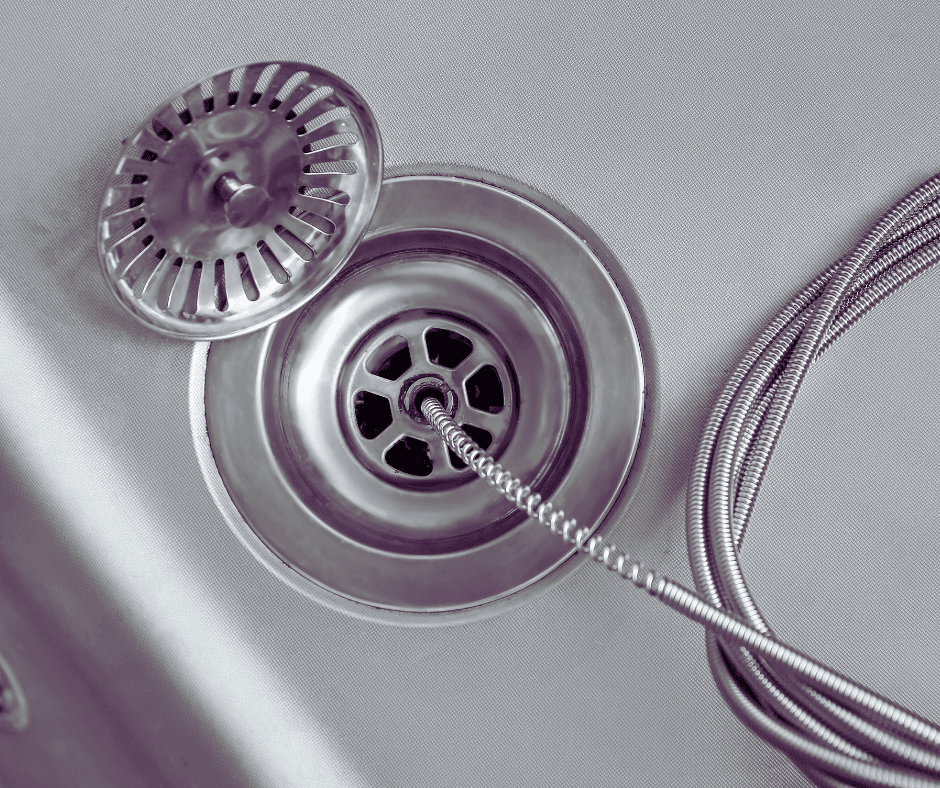
Professional drain cleaning uses the right tool for the clog. For most fixture clogs, a motorized cable machine, often called a snake or auger, feeds down the line to break up or pull out the blockage. For heavier buildup, especially grease in kitchen lines or years of accumulated scale, hydro jetting uses high-pressure water to scour the pipe walls clean and flush the debris away, which removes far more than a cable alone.
The choice between them depends on the clog and the pipe. A simple hair or soap clog in a bathroom line responds well to cabling, while a grease-loaded kitchen line or a recurring clog often calls for jetting to actually clear the buildup. When a clog keeps coming back, a camera inspection can show what is causing it. ServiStar matches the method to the situation, so the work addresses the real problem rather than applying one approach to every clog.

A drain that clogs again and again is trying to tell the homeowner something. Repeated clogs in the same fixture usually mean the buildup on the pipe walls was never fully removed, so it catches debris and rebuilds quickly. A snake that punches a hole through a grease clog restores flow briefly, but the grease still coating the walls narrows the line again within weeks. This is exactly where a more thorough cleaning that removes the buildup pays off.
Recurring clogs across multiple drains, on the other hand, often point back to the main line rather than the individual fixtures. When the shared lateral is partially blocked, every drain that feeds into it drains slowly, and clearing one fixture at a time never solves it. Understanding why a clog keeps returning is the key to ending the cycle, which is why professional drain cleaning looks at the pattern rather than just the symptom of the moment.
The best clog is the one that never forms, and a few habits keep drains flowing. Keeping grease, fats, and oils out of the kitchen drain, since they harden on the walls, is the single most effective step in a kitchen. Using drain screens to catch hair and food debris, running hot water after use, and avoiding putting fibrous or starchy food waste down the disposal all reduce the buildup that leads to clogs over time.
Prevention also means not treating drains as a disposal for everything. Wipes, even those labeled flushable, coffee grounds, and grease are common culprits behind clogs and backups. A household that is mindful about what goes down the drain sees far fewer problems, and for lines with a history of trouble, periodic professional drain cleaning keeps the buildup from ever reaching the point of a backup. Prevention is always cheaper and less disruptive than an emergency.
Drains give warning before they fail completely, and catching the signs early keeps a minor annoyance from becoming a backup. Water that pools and drains slowly, gurgling sounds as air struggles past a partial blockage, and unpleasant odors rising from a drain all indicate buildup that is starting to restrict the line. A drain that has become noticeably slower over a few weeks is on its way to a full clog if nothing is done.
More urgent signs call for prompt action. Water backing up into a fixture, multiple drains slowing at once, or any sign of sewage suggests a blockage that has progressed or moved to the main line. Acting at the early-warning stage, when a drain is merely sluggish, means a simple cleaning, while waiting until it backs up brings a bigger mess and a more urgent call. Paying attention to these signs is what keeps drain problems small.
Sherman Oaks has a large stock of homes built from the 1930s through the 1960s, and older plumbing behaves differently than new pipe. Decades-old drain lines, especially cast iron, corrode and roughen on the inside, and that rougher surface catches debris and grease far more readily than smooth modern pipe. A drain in an older home may clog more easily simply because the interior of the pipe has degraded over the years.
That aging also means clogs in an older home sometimes signal more than a simple blockage. A line that clogs repeatedly despite cleaning may be corroded, cracked, or partially collapsed, which is worth investigating with a camera rather than clearing over and over. For a Sherman Oaks homeowner in an older house, understanding that the age of the pipes affects both how often drains clog and what the clogs might indicate helps put recurring problems in context.

Of all the drains in a home, the kitchen line tends to cause the most trouble, because grease is such a persistent enemy. Fats, oils, and grease washed down the sink may go down as a liquid but cool and solidify on the pipe walls, building up over time into a blockage that a cable can only partly clear. This is why kitchen drains clog repeatedly in many homes and why they often need a more thorough cleaning than other lines.
The best defense is keeping grease out of the drain in the first place, but when a kitchen line does clog, hydro jetting is frequently the method that actually clears it by scouring the grease off the walls. For a household that cooks often, being mindful of grease and scheduling an occasional thorough cleaning keeps the kitchen drain from becoming a recurring headache. ServiStar handles grease-loaded kitchen lines with the method that removes the buildup rather than briefly opening it.
A professional drain cleaning visit is methodical. The plumber identifies which drain or drains are affected, determines whether the clog is local or points to the main line, and clears it with the appropriate tool, a cable machine for most fixture clogs or hydro jetting for heavy buildup. When a clog has been recurring, a camera inspection can reveal why, showing whether the pipe itself has a problem that keeps causing the blockage.
Pricing is presented upfront before the work begins, so a homeowner knows the scope and the cost without surprises added at the end. That transparency matters as much for a simple clog as for a larger job. ServiStar approaches every drain call this way, clearing the line properly, checking the cause when a clog keeps returning, and keeping the pricing clear, so a Sherman Oaks homeowner gets a drain that flows and an honest picture of why it clogged.
A plumber who works Sherman Oaks regularly brings useful context to a drain call. Knowing the age of the housing stock, the condition of the aging cast iron and clay pipe common under these homes, and the way local kitchens and older lines tend to clog helps a technician diagnose faster and recommend the right fix. That familiarity turns a service call into an informed one rather than a generic clog-clearing.
It also means the plumber recognizes when a clog is a symptom of something larger, like an aging line that needs more than repeated clearing. ServiStar brings that local experience to every drain call in Sherman Oaks, pairing it with the licensing, equipment, and upfront pricing a homeowner should expect, so the result is a drain that flows and advice a homeowner can trust about keeping it that way.
Clearing drains rewards a licensed local team that removes the buildup and checks why it happened. ServiStar Plumbing and HVAC is CSLB licensed (#885156), bonded, and insured, locally owned with more than 30 years of experience, and rated 4.8 stars across 140+ Google reviews. The company clears clogged drains with cable machines and hydro jetting, uses camera inspection when a clog keeps returning, and prices the work upfront with no hidden fees, with same-day and emergency response when a drain cannot wait.
A Sherman Oaks homeowner dealing with a stubborn clog can arrange drain cleaning in Sherman Oaks by calling (818) 864-0117. ServiStar serves Sherman Oaks and the surrounding San Fernando Valley and Los Angeles communities including Encino, Studio City, Van Nuys, and beyond. Because every drain and every clog is different, an on-site diagnosis is the right way to clear the line and keep it flowing.
Redirect to:
|
This page is a redirect. The following categories are used to track and monitor this redirect:
|