Choosing the Right Storefront Door for an Atlanta Business

Choosing the Right Storefront Door for an Atlanta Business

The storefront door sets the tone for a business before a customer ever walks in. It is the first impression, the security line, and the accessible entrance all in one, so choosing the right one is a decision worth getting correct. For an Atlanta retailer, restaurant, or office at street level, the options run from aluminum-framed glass entrances to frameless all-glass doors, each with its own look, cost, and practical trade-offs. Knowing what drives the choice makes for an entrance that fits the business and holds up to the traffic.

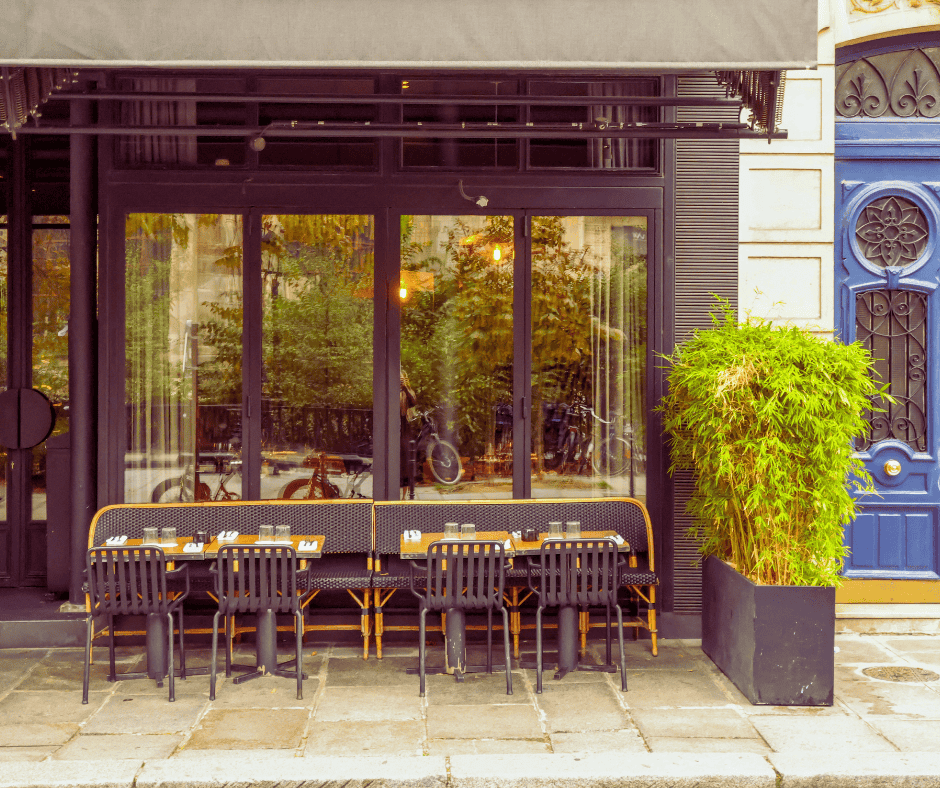
Aluminum-framed glass entrances

The standard Atlanta storefront is an aluminum-framed glass entrance, built on systems from makers like Kawneer, YKK AP, or Oldcastle. The aluminum framing comes in narrow, medium, and wide stile widths, and the stile choice affects both the look and the strength of the door. Narrow stile is sleek and modern, wide stile is more robust and better suited to very high traffic. These doors balance appearance, durability, and cost well, which is why they front most Atlanta retail and office spaces. For most businesses, an aluminum storefront is the practical default.

Storefront Stiles Come in Three Widths

Aluminum storefront doors are built in narrow, medium, and wide stile widths, and the stile choice affects both the look and the strength of the door, with wider stiles generally suited to higher traffic.

All-Glass Doors Use Patch Fittings

Frameless all-glass storefront doors rely on patch fittings and specialized pivots rather than a full aluminum frame, which is why they demand precise installation and the correct hardware to operate securely over time.

A Storefront Door Is a Public ADA Entrance

Because a storefront is a public building entrance, it is governed by ADA accessibility standards, which is why accessibility, including operator options and hardware, is part of choosing the door rather than an afterthought.


Frameless all-glass doors

For a high-end or design-forward look, a frameless all-glass door, often called a Herculite door, offers a clean, open, upscale appearance that suits luxury retail and polished office lobbies. These doors use patch fittings and specialized pivots rather than a full aluminum frame. They make a strong visual statement, but they demand precise installation and the right hardware to operate smoothly and securely over years of traffic. Where presentation is central to the brand, the all-glass door earns its place, provided it is installed and maintained properly.

Match the hardware to the use

The door is only as good as the hardware that swings, closes, and locks it. Pivots or continuous hinges carry the weight, and the heavier the door and the higher the traffic, the more robust they need to be. A surface or concealed closer controls how the door shuts, and getting the closer right prevents both slamming and doors that never quite latch. Security comes from the lock: an Adams Rite-style mortise deadlatch or deadbolt, with flush bolts on the inactive leaf of a double door. Choosing hardware built for the door's traffic is what keeps a good-looking entrance working for years.

Build in accessibility and security

Two requirements shape every storefront choice. Accessibility is not optional: a storefront is a public entrance under ADA, and adding a low-energy automatic operator makes it easy for every customer while meeting accessibility expectations. Security is the other: for businesses that want more than a deadlatch, rolling grilles, alarmed exit devices, and security film add layers of after-hours protection. Deciding on these at the outset is far easier and cheaper than retrofitting them later, so they belong in the initial choice.

Think about Atlanta's climate

Atlanta's long, hot summers make the seal around a storefront door a real consideration. Good weatherstripping, sweeps, and thresholds keep conditioned air inside and energy bills down, while worn or missing seals bleed cooled air through the gaps. On an entrance that opens hundreds of times a day, a proper seal and a well-adjusted closer that lets the door shut fully every time add up to meaningful savings over a season. The right door choice accounts for the climate it works in.

Get expert help with the choice

Choosing a storefront door balances appearance, traffic, security, accessibility, and climate, and an experienced contractor turns that into a clear recommendation. A-24 Hour Door National installs, replaces, and services the full range of storefront doors across metro Atlanta, with AAADM-certified technicians for automatic operators and 30 years in the commercial-door market. A business weighing its options can talk to a storefront door specialist and get a recommendation matched to the space and the use.

To choose and install the right storefront door for an Atlanta business, call A-24 Hour Door National at 1-800-884-4440.

Redirect to:


Frequently Asked Questions

It depends on the goal. Aluminum-framed glass entrances balance appearance, durability, and cost and suit most Atlanta retail and offices. Frameless all-glass doors give an upscale, open look for luxury retail and polished lobbies but need precise installation. A-24 Hour Door National recommends based on your traffic and brand.
A storefront is a public entrance under ADA, and a low-energy automatic operator makes it accessible to every customer while meeting accessibility expectations. It is not always required, but it is far easier to include when choosing the door than to retrofit later. A-24 Hour Door National installs and services these operators.
Good weatherstripping, sweeps, and thresholds, plus a closer adjusted so the door shuts fully every time, keep conditioned air inside during Atlanta's hot summers. Worn seals bleed cooled air through the gaps, so specifying and maintaining them well saves meaningfully over a season on a high-traffic entrance.