Heating Replacement in Ogden: Furnace, Heat Pump, or Dual-Fuel?

Heating Replacement in Ogden: Furnace, Heat Pump, or Dual-Fuel?

Once a homeowner has decided to replace a heating system, the next question is what to put in its place, and in Northern Utah that is a more interesting choice than it used to be. A gas furnace is still the regional workhorse, but cold-climate heat pumps have become a real option, and dual-fuel systems combine the two. The right answer depends on the home, its elevation, and how the household uses energy, not on a single default. Working through that choice carefully is what makes a heating replacement in Ogden pay off over the fifteen or more winters the new system will run. One Hour Heating & Air Conditioning of Ogden guides that decision across Weber and Davis County as an independently owned and operated One Hour franchise, owner-led by Matt McFarland.

A replacement is a chance to correct whatever the old system got wrong, whether that was the wrong size, the wrong type for the home, or an installation that never performed. Approaching a heating replacement in Ogden as a fresh decision rather than a like-for-like swap is how a homeowner ends up with a system that fits.

A Dual-Fuel System Uses the Best of Both

A dual-fuel setup runs an efficient heat pump in milder weather and switches to a gas furnace once the temperature drops below the heat pump’s balance point, which fits the Northern Utah climate and its cold winter lows.

The Same Unit Needs Different Sizing at Different Elevations

A home on the Ogden Valley floor near 4,300 feet and one in the Ogden Valley above 5,000 feet carry different heating loads, so a replacement should be sized by a Manual J calculation rather than copied from the old system.

A Heat Pump Covers Both Seasons

Because a heat pump both heats and cools, replacing an aging furnace and air conditioner with a single cold-climate heat pump or dual-fuel system can cover year-round comfort with one piece of equipment.


Social Media

The Gas Furnace, Still the Regional Standard

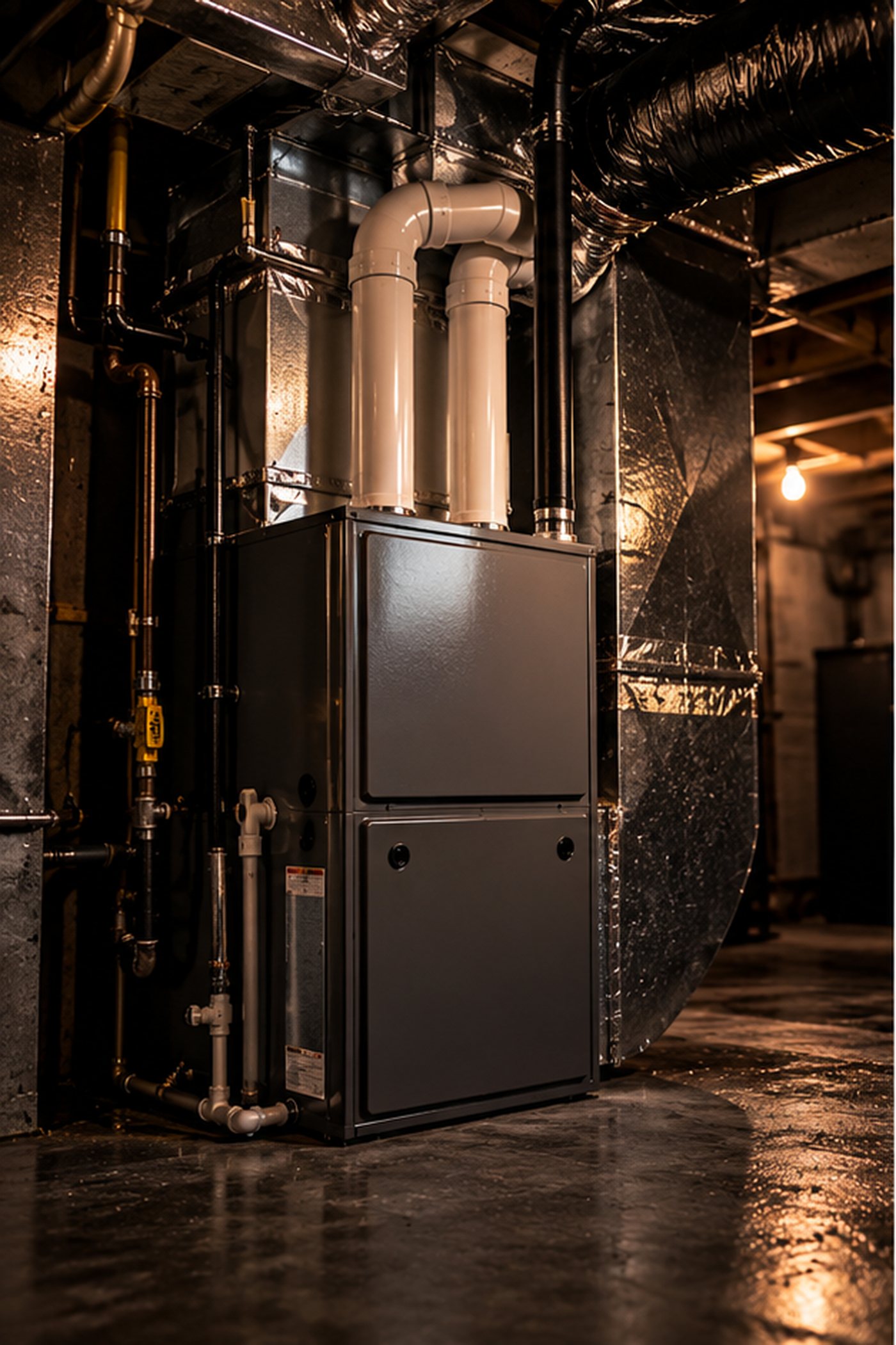
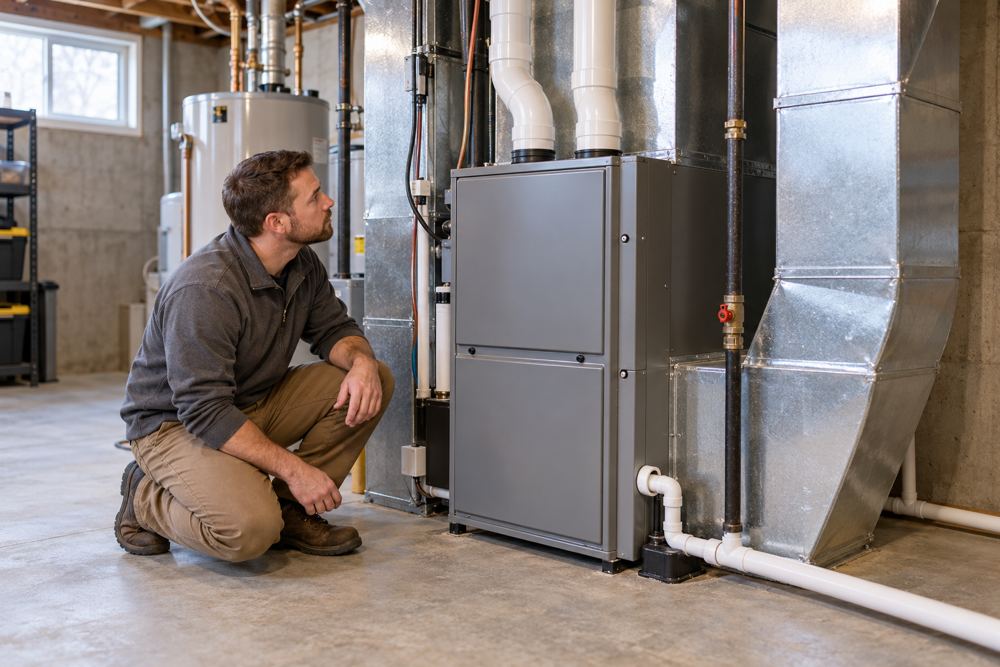
For most Northern Utah homes, a gas furnace remains the straightforward choice, delivering strong, steady heat through a long, cold winter. The decision within that is about efficiency and configuration. Furnace efficiency is measured as AFUE, the share of fuel the unit turns into usable heat, and the range runs from a standard-efficiency model to a condensing high-efficiency furnace that recovers extra heat through a secondary heat exchanger and vents through PVC pipe. A two-stage or modulating furnace adjusts its output to demand for steadier, quieter heat, and an ECM variable-speed blower matches airflow to the need. Because the heating season here is long, the fuel a higher-efficiency furnace saves adds up, though the right tier still depends on the home and how long the owner plans to stay. A furnace-based heating replacement in Ogden suits the majority of homes well.

The Cold-Climate Heat Pump

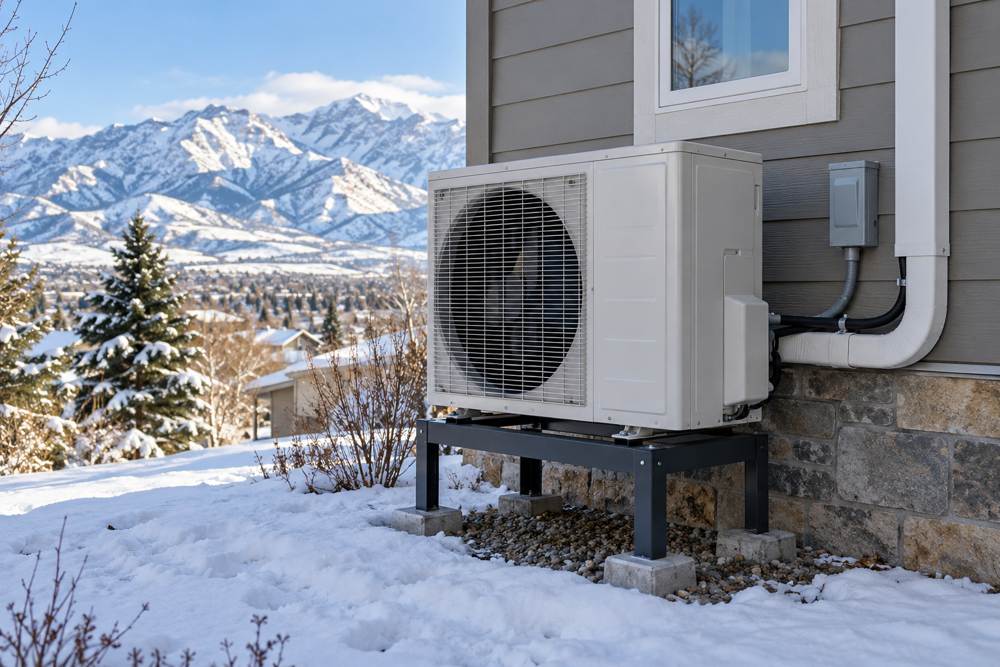
A heat pump heats by moving heat rather than burning fuel, and modern cold-climate models hold useful capacity well into low temperatures, which makes them a genuine option across much of the Ogden area. Their appeal is efficiency and the fact that the same unit provides cooling in summer, so one system covers both seasons. The consideration is elevation and extreme cold: at the higher elevations of the Ogden Valley near Huntsville, a heat pump has to be selected for the climate and paired with a sensible backup strategy, because a unit that is not cold-rated can lean on electric backup heat during the coldest stretches. For the right home, a heat pump heating replacement in Ogden lowers energy use across the year.

The Dual-Fuel Hybrid

A dual-fuel system pairs a heat pump with a gas furnace and switches between them based on temperature. The heat pump handles the milder parts of the heating season efficiently, and once the temperature falls below the heat pump's balance point, the system switches to the gas furnace as auxiliary heat. This configuration captures the efficiency of a heat pump in shoulder weather and the reliable output of a furnace in deep cold, which fits the Northern Utah climate well, especially at higher elevations where winter lows are serious. For a homeowner who wants year-round efficiency without giving up gas-furnace performance on the coldest nights, a dual-fuel heating replacement in Ogden is often the strongest answer.

Sizing and Elevation Decide the Details

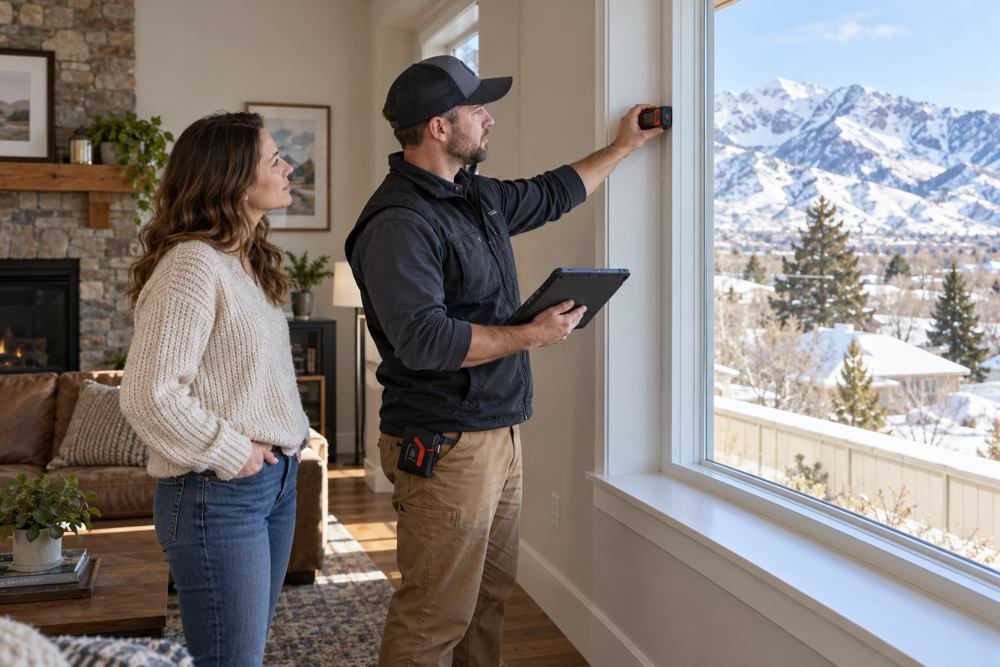
Whatever system type a homeowner chooses, sizing determines whether it performs. A replacement should be sized with a Manual J load calculation that measures the home's square footage, insulation, windows, and orientation rather than copying the old unit's capacity, and in the Ogden area that calculation accounts for elevation, since a home on the valley floor near 4,300 feet and one in the Ogden Valley above 5,000 feet carry different loads. A system sized too large cycles on and off too quickly and wears out early, while one too small cannot keep up in deep cold. The equipment is then matched with a Manual S selection and checked against the home's ductwork, so the chosen system can actually deliver its rated performance. This is the technical backbone of a sound heating replacement in Ogden.

What Replacement Day Looks Like

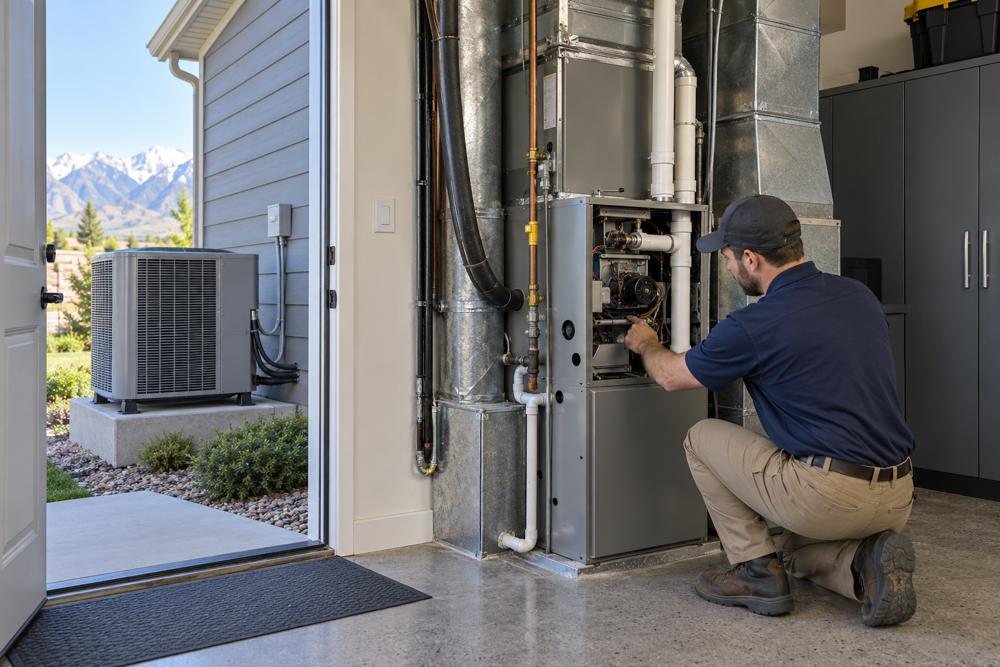
A professional replacement is more than removing the old unit and setting the new one. It includes confirming the sizing and equipment selection, connecting the system to properly matched ductwork and venting, pulling a mechanical permit so the work is inspected against code, and testing the finished system under load before the crew leaves. A correct setup is what lets a new furnace or heat pump reach the efficiency and comfort it was sold on, and it is where a careful contractor separates itself from a fast, cut-rate swap. One Hour Ogden presents the full scope and cost in writing through its StraightForward Pricing guide before any work begins, with no hidden fees.

Cost, Financing, and Warranty

A replacement is a significant purchase, and a few things ease it. Utility rebate programs through Rocky Mountain Power for a qualifying heat pump, or Dominion Energy for a qualifying furnace, can lower the cost, though the amounts and eligibility change, so a homeowner should confirm the current program before counting on a figure. Financing is available, including a limited-time 0 percent offer on repairs and installations and a lease-to-own option for challenged credit, which lets a household choose the right system rather than the cheapest one. One Hour Ogden backs its installations with a 100 Percent Satisfaction Guarantee covering materials, labor, and craftsmanship for up to two years from the date of service.

Choosing Well for a Northern Utah Winter

From a Layton home weighing a dual-fuel system to a valley-floor Ogden house replacing an aging furnace to a Huntsville property choosing a cold-climate heat pump, the right heating replacement in Ogden depends on matching the system to the home. One Hour Heating & Air Conditioning of Ogden is Utah Licensed, Bonded, and Insured, staffs EPA, RMGA, and BPI certified technicians, carries a 5-star rating across more than 568 Google reviews, and backs its arrival with the Always On Time Or You Don't Pay A Dime guarantee. For help choosing and installing a heating replacement in Ogden, homeowners and businesses across Weber and Davis County can reach One Hour Heating & Air Conditioning of Ogden at (801) 829-7633 for a free in-home estimate and an on-time visit from a licensed local team.
Redirect to:


Frequently Asked Questions

Both are valid in Northern Utah, and the right choice depends on the home and how you use energy. A gas furnace delivers strong, steady heat through a long cold winter and is the regional standard, while a cold-climate heat pump is efficient and also provides cooling, and a dual-fuel system combines the two. At higher elevations with serious winter lows, a dual-fuel setup or a cold-rated heat pump with good backup often makes the most sense.

A dual-fuel system pairs a heat pump with a gas furnace and switches between them based on temperature. The heat pump handles milder weather efficiently, and once it falls below its balance point, the system switches to the furnace for reliable heat in deep cold. This captures heat-pump efficiency in shoulder seasons and furnace performance on the coldest Northern Utah nights.

Correct sizing comes from a Manual J load calculation, which measures the home’s square footage, insulation, windows, and orientation and accounts for elevation, rather than matching the old unit’s capacity. A system sized too large short-cycles and wears out early, while one too small cannot keep up in deep cold. The equipment is then matched with a Manual S selection and checked against the home’s ductwork so it can deliver its rated performance.